
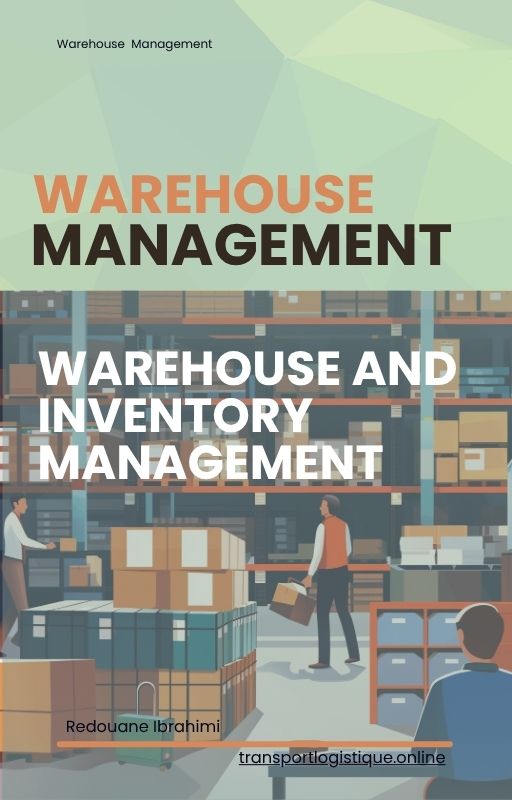
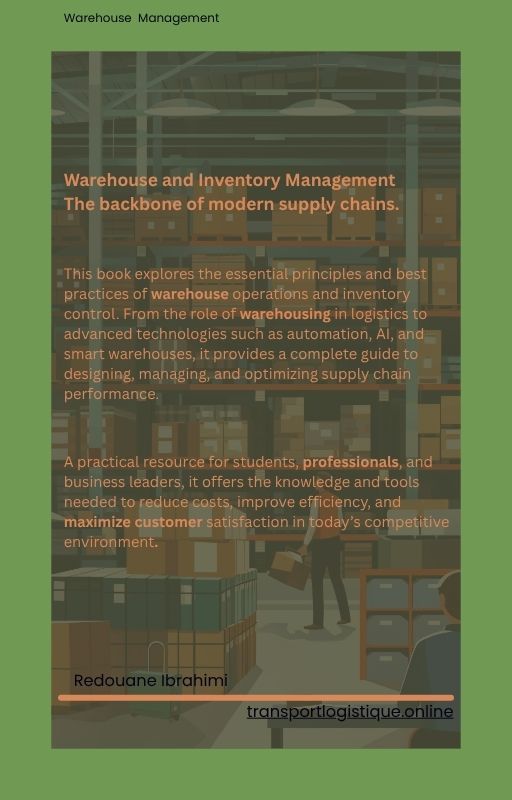
Warehouse and Inventory Management” is a clear and practical guide that explains how efficient warehousing and inventory systems build the foundation of every successful supply chain. The book combines theory with real-world strategies, making it perfect for students, professionals, and managers who want to master modern logistics operations.
Through seven concise chapters, readers learn how warehouse design, technology, and inventory control improve efficiency, reduce costs, and increase customer satisfaction.
Overview
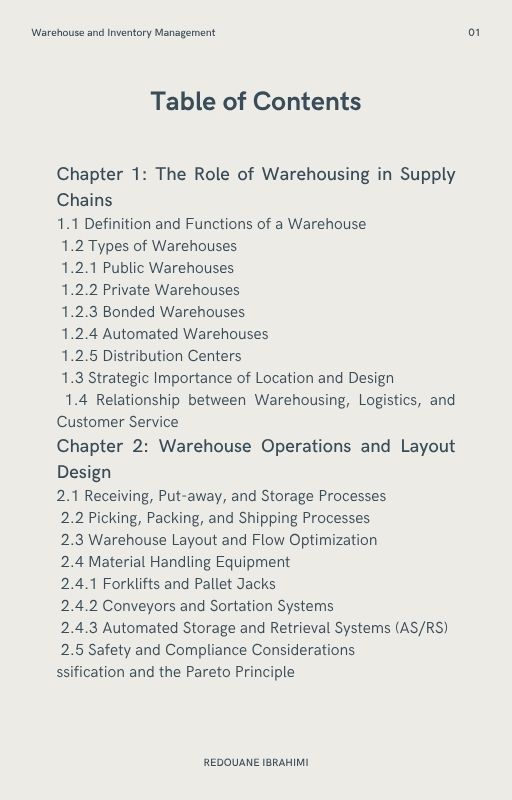
1. The Role of Warehousing in Supply Chains
Explore the functions, types, and importance of warehouses — from public and private facilities to automated distribution centers. Learn how location and design affect logistics performance.
2. Warehouse Operations and Layout Design
Understand how to optimize receiving, storage, picking, and shipping processes. Discover the value of modern material handling equipment and safety compliance.
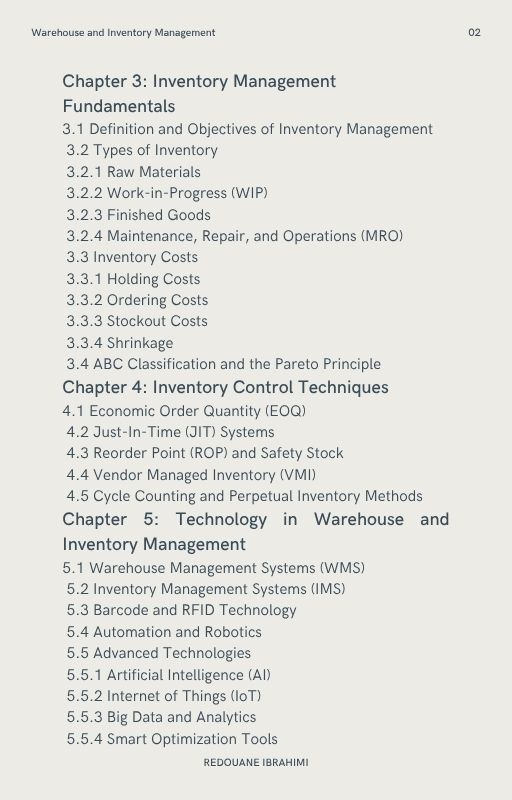
3. Inventory Management Fundamentals
Study the types, costs, and classifications of inventory. Use tools like the ABC analysis and Pareto principle to balance stock and service levels.
4. Inventory Control Techniques
Review proven systems such as EOQ, JIT, ROP, and VMI. Learn how cycle counting and monitoring methods ensure inventory accuracy.
5. Technology in Warehouse and Inventory Management
See how WMS, IMS, barcodes, RFID, AI, IoT, and automation create smart and data-driven warehouses.
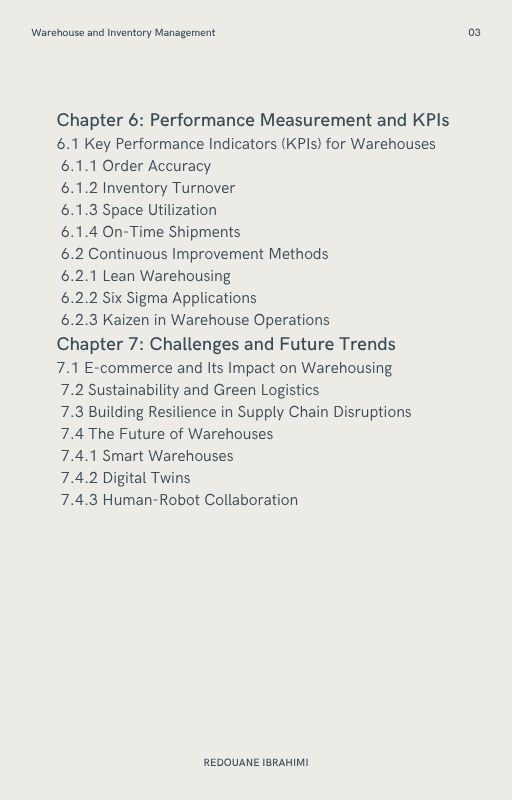
6. Performance Measurement and KPIs
Track efficiency using key metrics like order accuracy, inventory turnover, and space utilization. Apply Lean, Six Sigma, and Kaizen for continuous improvement.
7. Challenges and Future Trends
Discover how e-commerce, sustainability, and digital innovation are shaping the future of warehousing and supply chains.
Reviews
There are no reviews yet.